
SERIES COMPARISON · UPDATED OCTOBER 3, 2026
HQD GDL, GDF, GDZ and GDK Compared
The series gives you a useful entry point. The individual drawing and operating specification determine the installation you can actually order.
GDL: check the automatic-tool-change system.
The GDL range uses taper interfaces for automatic tool change. It spans ISO20, ISO25, ISO30, BT30 and BT40 configurations with different cooling and installation arrangements. Start by checking the holders, release mechanism and control signals the machine supports.
GDL120-30-24Z/5.5 is a BT30 water-cooled configuration at 24,000 rpm and 800 Hz. The air-cooled GDL40.5 uses ISO20, with an 18,000 rpm rated point and a separate 24,000 rpm maximum. They illustrate why an ATC label cannot substitute for a full system check.
GDF: compare air cooling and mounting structures.
The GDF models use air cooling and manual collet changes. They include cylindrical configurations and distinct mounting structures. GDF46-18Z/2.2 has both base-mount and housing-mount pages because the physical difference is meaningful despite the shared printed code.
The GDF80 group also changes collet interface across configurations: the 1.5 kW version uses ER11, the 2.2 kW version uses ER16, and the 2.2 kW B version uses ER20. Retain the full designation and exact drawing.
GDZ: match the cylindrical body and collet.
The GDZ configurations use water cooling and manual collet changes. Body diameter, clamp length, interface and winding vary by model. For example, GDZ-23 has an 80 mm body, while GDZ-23-1 has an 85 mm body.
Even identical nominal power does not establish an installation match. GDZ-23-2 has a shorter documented overall length than GDZ-23. Use the exact suffix and drawing when comparing the nose and connection clearances.
GDK: read the model-specific operating point or curve.
The GDK range includes fixed rated points and operating ranges, with ER11 through ER32 interfaces. A range model needs its original power-versus-speed curve as well as the outline drawing.
GDK100-12-24Z/2.2-4.4 has a 2.2 kW rated output. Its curve distinguishes S1 and S6-20% at TA20°C; the 4.4 in the code must retain the applicable conditions. Curve voltage endpoints are not independent winding options.
Use the same questions across all four series.
Once a series looks relevant, compare the exact tool interface, operating speed, rating/duty, drive and complete installation envelope. Confirm cooling, pneumatic and sensing requirements where they apply.
If a required current, thread or feedback detail is missing or the source documents disagree, include it in the inquiry. Confirm the value for the supplied unit instead of borrowing a value from another model.
Questions before you choose.
Does a series name guarantee the same mounting?
No. Check the exact configuration. The range includes shared codes with different mounting structures and nearby models with different body diameters.
Can I compare models across series?
Yes. Compare the actual tooling, electrical point, duty and installation requirements, and state what the machine needs.
RELATED SPINDLES
Configurations discussed in this guide.
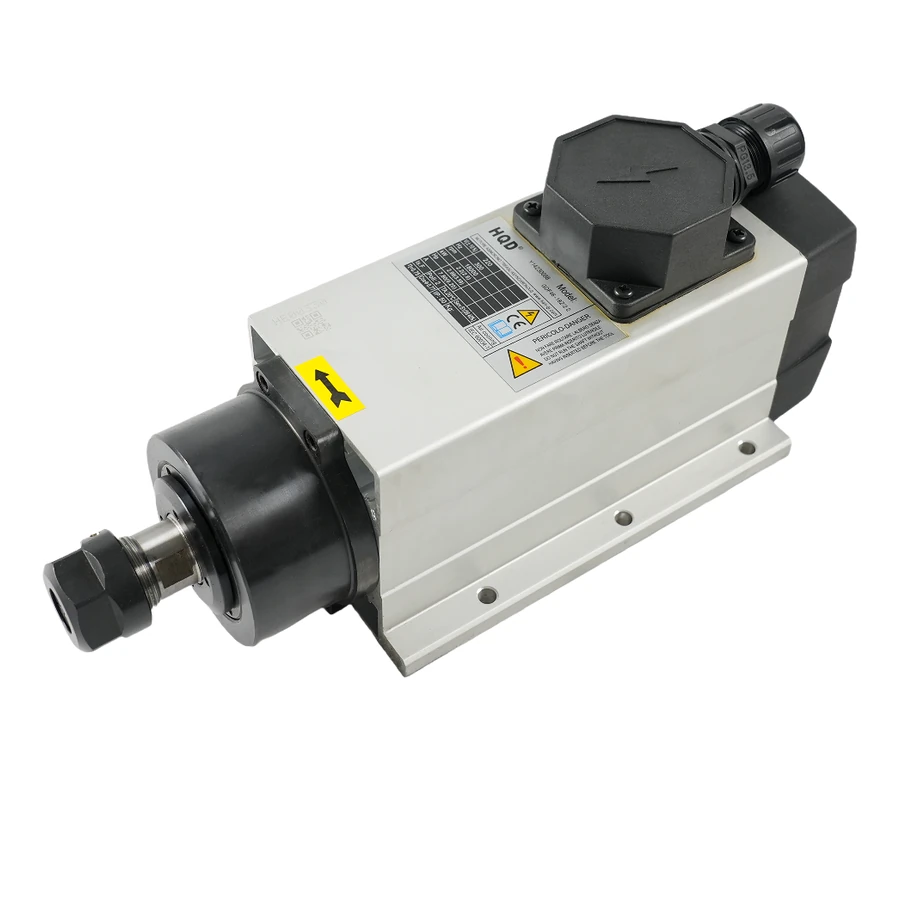
GDF · Manual
GDF46-18Z/2.2
Base mount
2.2 kW rated · ER20
18,000 rpm rated · Air-cooled
Base mount · 288.5 mm overall
View specifications →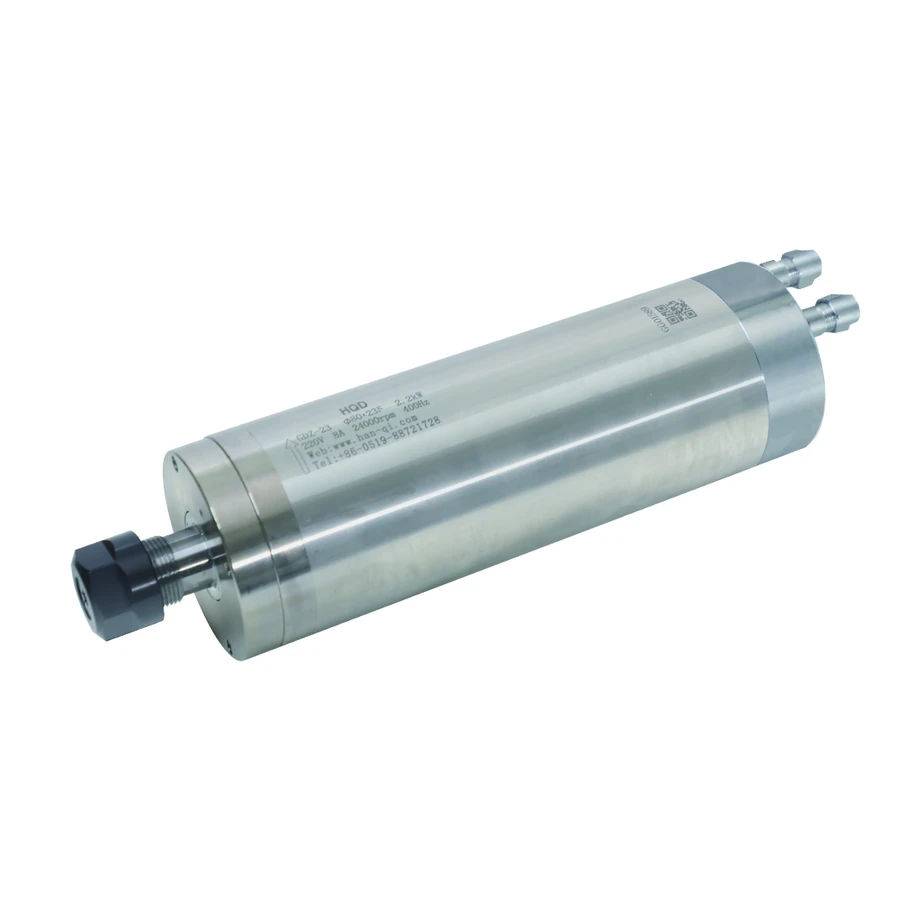
GDZ · Manual
GDZ-23
2.2 kW rated · ER20
24,000 rpm rated · Water-cooled
Ø80 mm · 268.5 mm overall · 120 mm clamp
View specifications →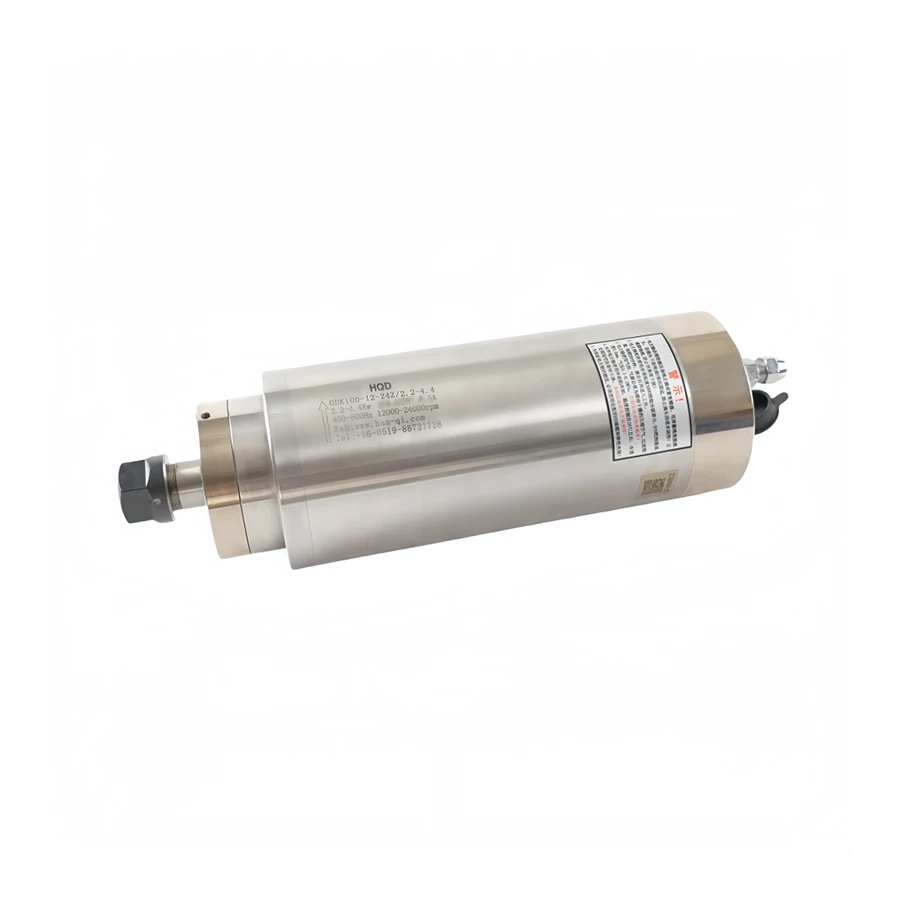
GDK · Manual
GDK100-12-24Z/2.2-4.4
2.2 kW rated · ER20
12,000–24,000 rpm · Water-cooled
Ø100 mm · 295 mm overall · 140 mm clamp
View specifications →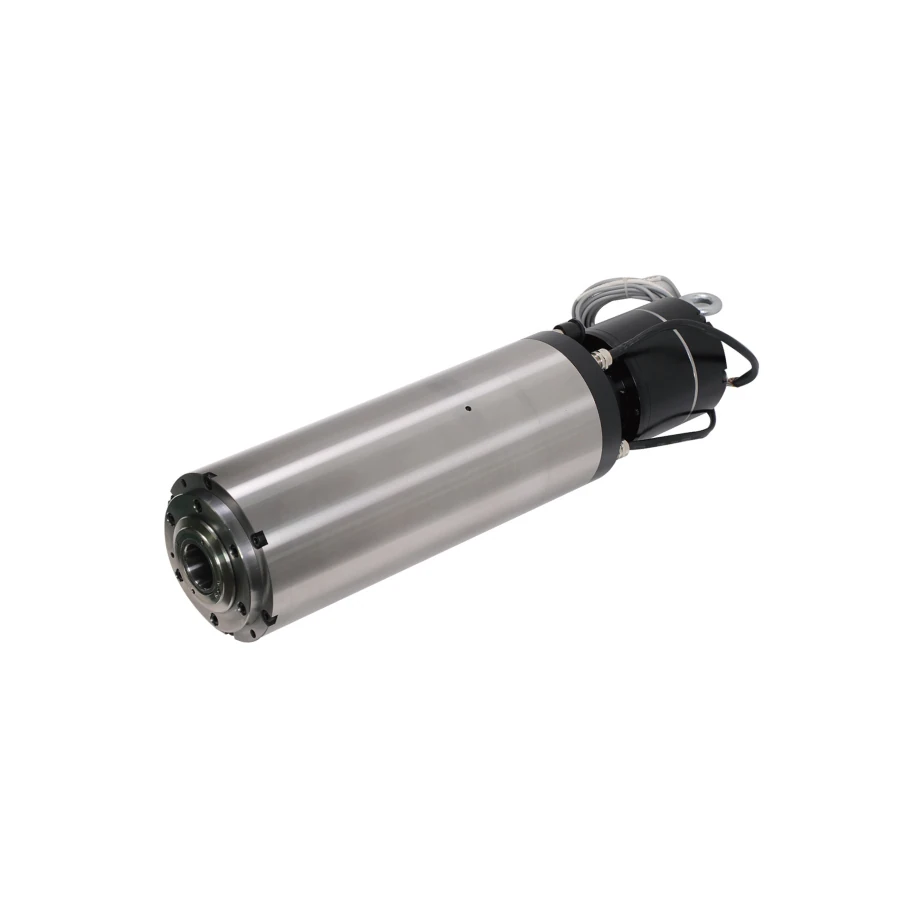
GDL · ATC
GDL120-30-24Z/5.5
5.5 kW rated · BT30
24,000 rpm rated · Water-cooled
Ø120 mm · 496.5 mm overall · 136 mm clamp
View specifications →