
MODEL SELECTION · UPDATED OCTOBER 3, 2026
How to Choose an HQD Spindle
Begin with the machine and the work it needs to do. A power figure narrows the catalog, but it cannot tell you whether the spindle will fit or run correctly.
Start from a known model or a machine requirement.
For a replacement, collect the full nameplate, the mounting drawing and photographs of the nose and connections. Keep suffixes and physical versions: GDF46-18Z/2.2 appears in both base-mount and housing-mount forms. A code search should lead to a configuration check, not an assumption that every matching name is interchangeable.
For a new installation, state the work material, tool shanks, required speed range, available space and drive. The catalog does not promise cutting performance from motor power alone. Tooling, machine stiffness and the operating conditions still shape the selection.
Decide how the machine holds and changes tools.
Manual ER-collet spindles and ATC taper spindles require different supporting hardware. GDZ-23 uses ER20 with manual tool changes. GDL80-20-24Z/2.2B uses ISO20 automatic tool change, with pneumatic and sensing requirements that the machine must support.
An ER number identifies a collet interface; it does not authorize every possible shank size or a borrowed nose-thread dimension. ISO20, ISO25, ISO30, BT30 and BT40 should each be checked against the supplied holders and release arrangement.
Read power, speed and frequency together.
GDF46-18Z/2.2 is documented at 18,000 rpm and 300 Hz. GDZ-23 is documented at 24,000 rpm and 400 Hz. They share a 2.2 kW rated output but describe different operating points. Check the intended work speed and the drive settings before treating them as alternatives.
Some models have a range or a separate maximum. The air-cooled GDL40.5 has an 18,000 rpm rated point and a 24,000 rpm maximum. GDK range models also carry power curves; the higher number in a model code is not automatically continuous rated output.
Check the complete installation before narrowing the order.
Compare body diameter, usable clamping length, mounting holes, nose projection and rear hardware. Leave room for connectors and hoses. Air cooling needs a clear airflow path; water cooling needs a suitable circuit and the correct fittings.
Select the documented winding and keep its voltage/current pair intact. Confirm VFD output rather than substituting the building supply voltage. Send unresolved dimensions or electrical details in the inquiry instead of filling gaps from a neighboring model.
- Exact printed code and physical configuration
- Toolholder or collet requirements
- Required operating speed and documented duty
- Mounting envelope, drive and cooling details
- Quantity, destination and remaining questions
Questions before you choose.
Should I choose by the highest power number?
Choose by the documented rating and duty at the required speed, then verify tooling and installation. A larger number does not establish a usable machine match.
What if I do not know the existing model?
Send a readable nameplate photograph, mounting measurements, tooling details and drive information. Describe the unknowns explicitly.
RELATED SPINDLES
Configurations discussed in this guide.
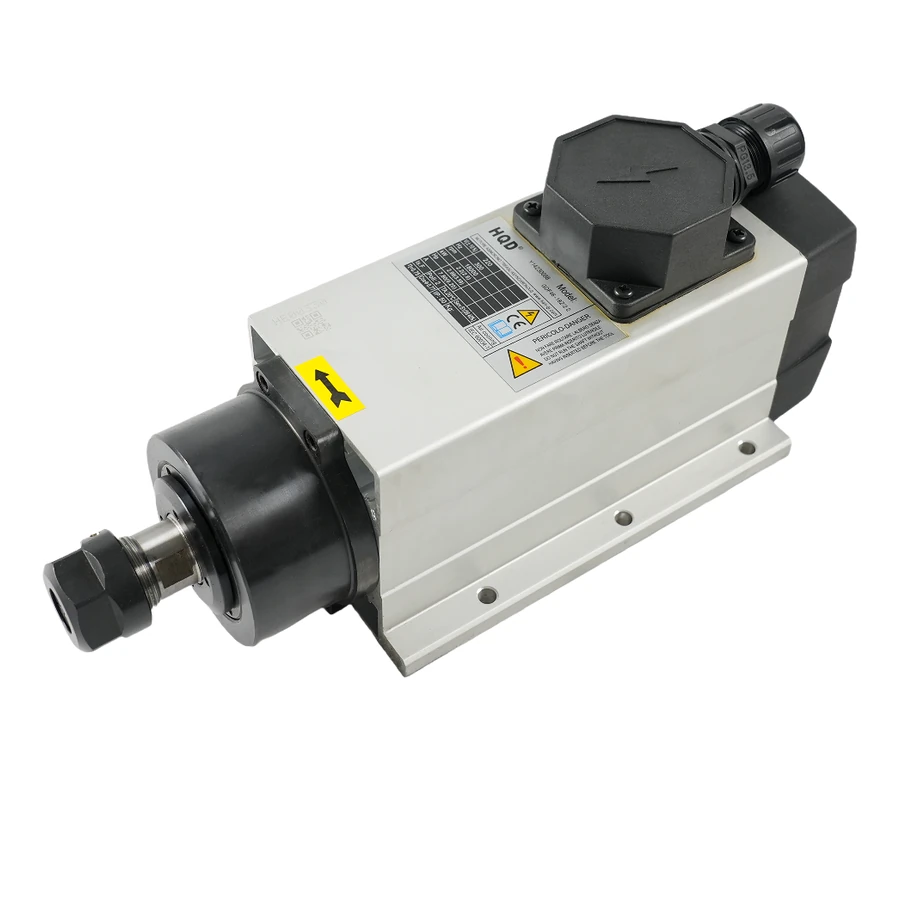
GDF · Manual
GDF46-18Z/2.2
Base mount
2.2 kW rated · ER20
18,000 rpm rated · Air-cooled
Base mount · 288.5 mm overall
View specifications →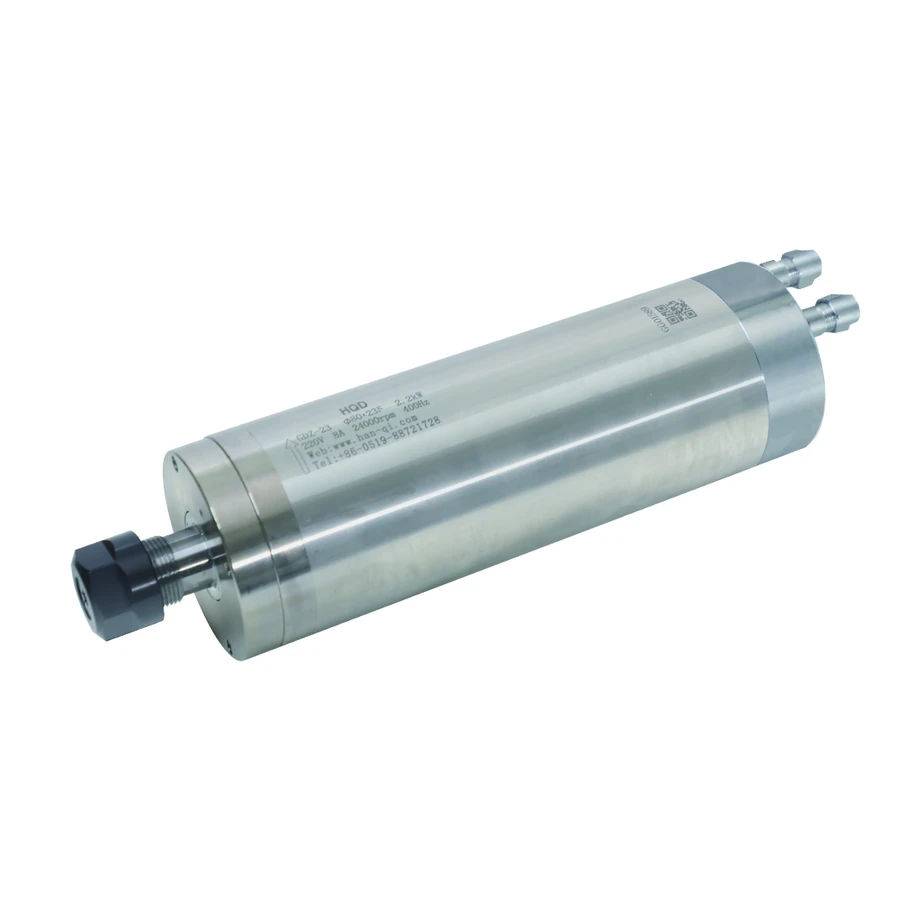
GDZ · Manual
GDZ-23
2.2 kW rated · ER20
24,000 rpm rated · Water-cooled
Ø80 mm · 268.5 mm overall · 120 mm clamp
View specifications →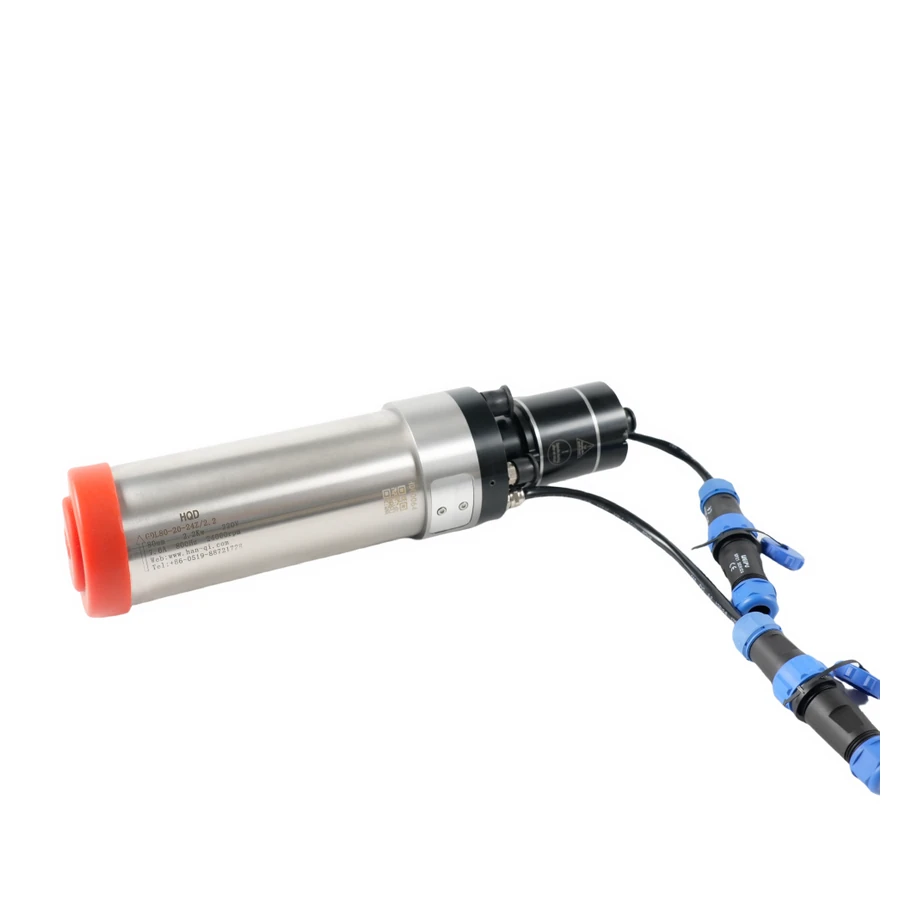
GDL · ATC
GDL80-20-24Z/2.2B
2.2 kW rated · ISO20
24,000 rpm rated · Water-cooled
Ø80 mm · 335 mm overall · 98 mm clamp
View specifications →