Key Requirements and Configuration Checks
- Identify the configuration and documented winding/current pair.
- List retained equipment and requested accessories separately.
- Compare proposals using the same quantity, scope and terms.
Match the proposed configuration to its applicable drawing, operating data and machine requirements. Resolve mounting dimensions, auxiliary services and operating limits before accepting a spindle for the intended installation.
| Quotation field | Information to provide |
|---|---|
| Spindle identity | Complete code, mount/nose/speed variant, winding |
| Requested package | Included tooling, connections, cooling and technical files |
| Commercial request | Quantity by configuration, destination and terms to confirm |
Begin with the spindle you actually need to buy
A useful price request identifies a supplied assembly rather than only a power class. Write the full printed model, the physical variant and the selected winding. If you are starting from a machine requirement, describe the job, tooling and installation instead of inventing a model. CINKR can use those records to narrow a candidate and identify the technical details that still need confirmation.
A shared printed model can identify more than one physical configuration. GDF46-18Z/2.2 has Base Mount and Housing Mount assemblies, while GDL70-24Z/9.0 has ISO30 long-nose and short-nose variants. Include the relevant description with the full model in the quotation request and compare the applicable mounting and outline drawings. A price assigned only to the shared code does not establish the proposed fixing structure, nose position or installed tool geometry. Require the item description to retain the chosen variant so the technical review and commercial proposal refer to the same assembly.
Use an existing nameplate and drawing when requesting a replacement. Record the current assembly before dismantling it, including mount, nose and rear connections. State whether the new spindle must use the retained fixture and drive, or whether changes are acceptable. Those conditions affect the scope that needs checking and quoting; a similar model code does not establish a complete replacement match.
Specify the winding as a voltage and current pair
Some spindle configurations have separately documented winding voltage/current pairs. GDL120-30-24Z/5.5, for example, lists 220 V / 19 A and 380 V / 11 A windings. State the intended pair explicitly in the technical request and require the proposed item description to retain it. Verify the drive's output voltage, current and frequency against that winding, checking the input supply separately. Do not combine the voltage of one winding with the current of another, or treat the machine's incoming supply voltage as a substitute for the VFD's documented motor-output capability.
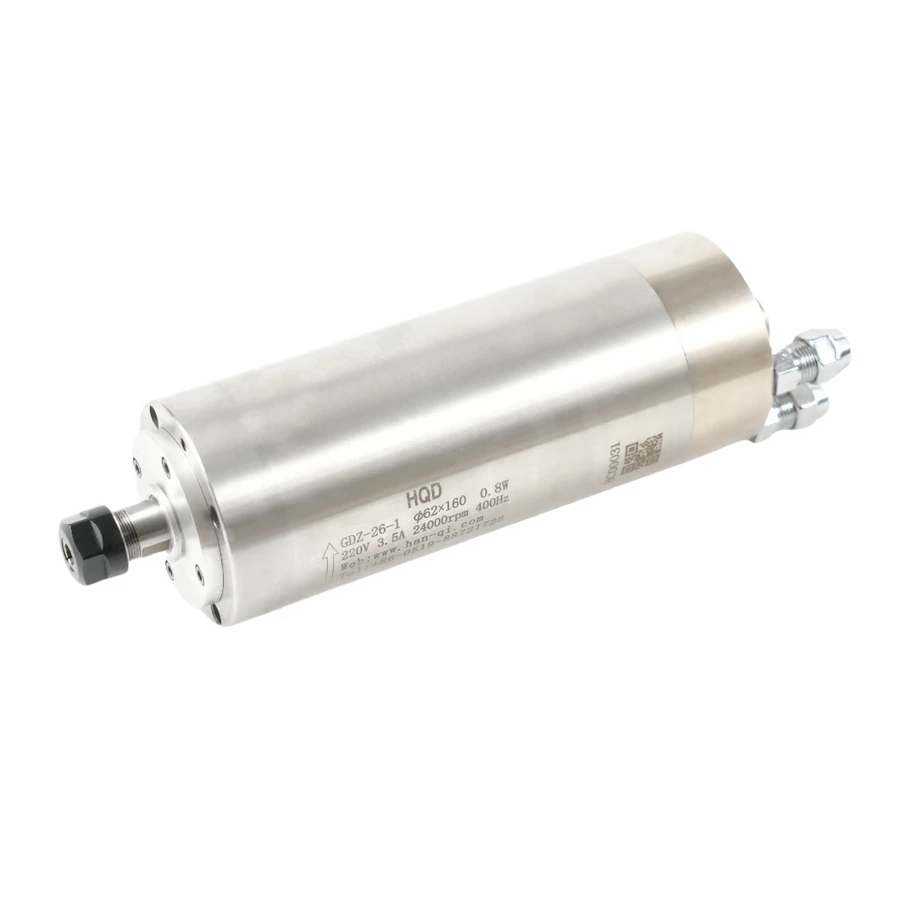
Where only one documented winding is listed, retain that configuration. Where the value is unresolved, leave it open and attach the evidence. The GDZ-26-1 documents disagree on current, so a quotation should confirm the supplied unit's nameplate rather than silently adopting a convenient number. This is a technical clarification to resolve before commissioning, even when the model and nominal power are familiar.
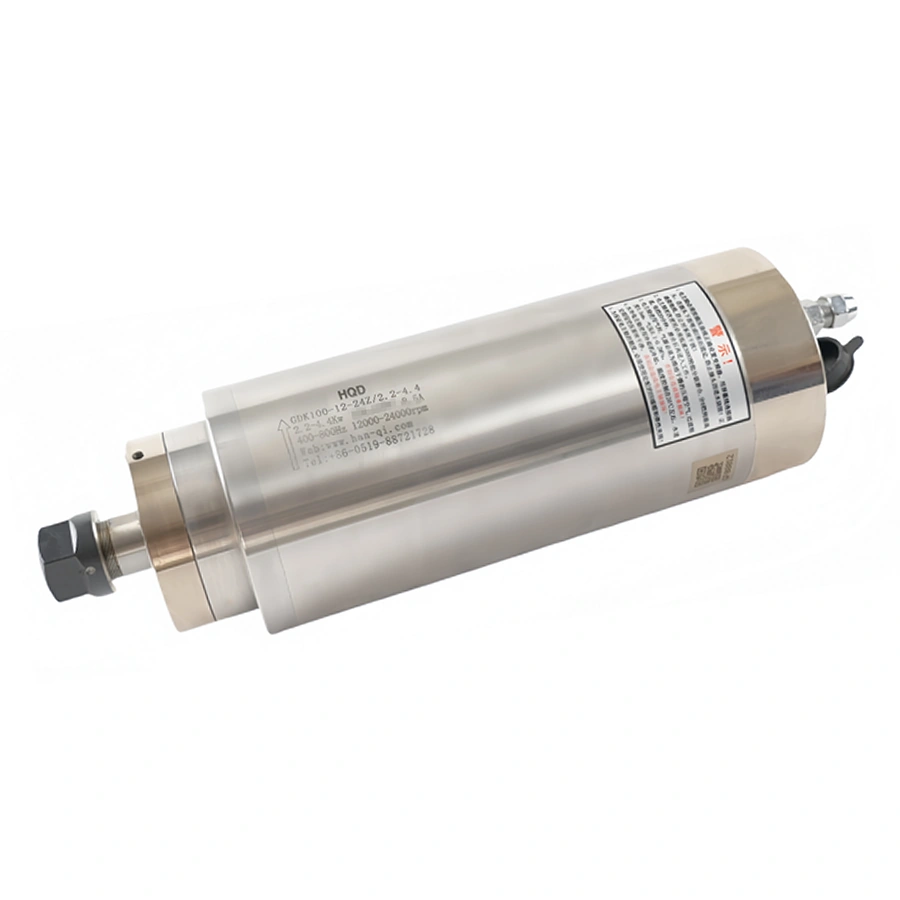
A curve voltage range is a different kind of information. GDK100-12-24Z/2.2-4.4 has a documented 269–380 V operating curve over 400–800 Hz under stated conditions. That range does not create two separately selectable windings. Ask for the intended operating point and drive review, preserving the curve's duty and ambient conditions. The proposal should identify the motor configuration and the applicable technical record.
Keep mounting, tooling and nose variants in the price request
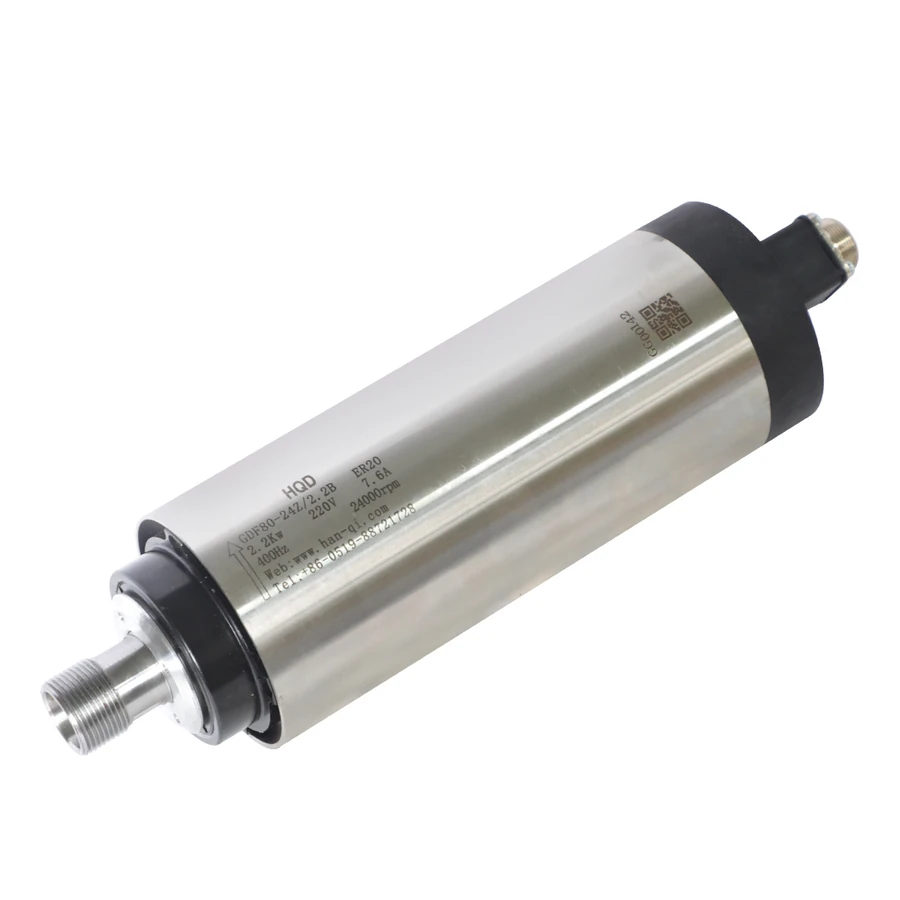
A fixing arrangement determines which assembly can be installed, and a tooling interface determines what must be retained or purchased. Compare the applicable outline and tool interface before treating two quotations as alternatives. GDF80-24Z/2.2 uses ER16, while GDF80-24Z/2.2B uses ER20 and a different physical arrangement. Record the actual tool shanks and nose clearance as well as the motor rating.
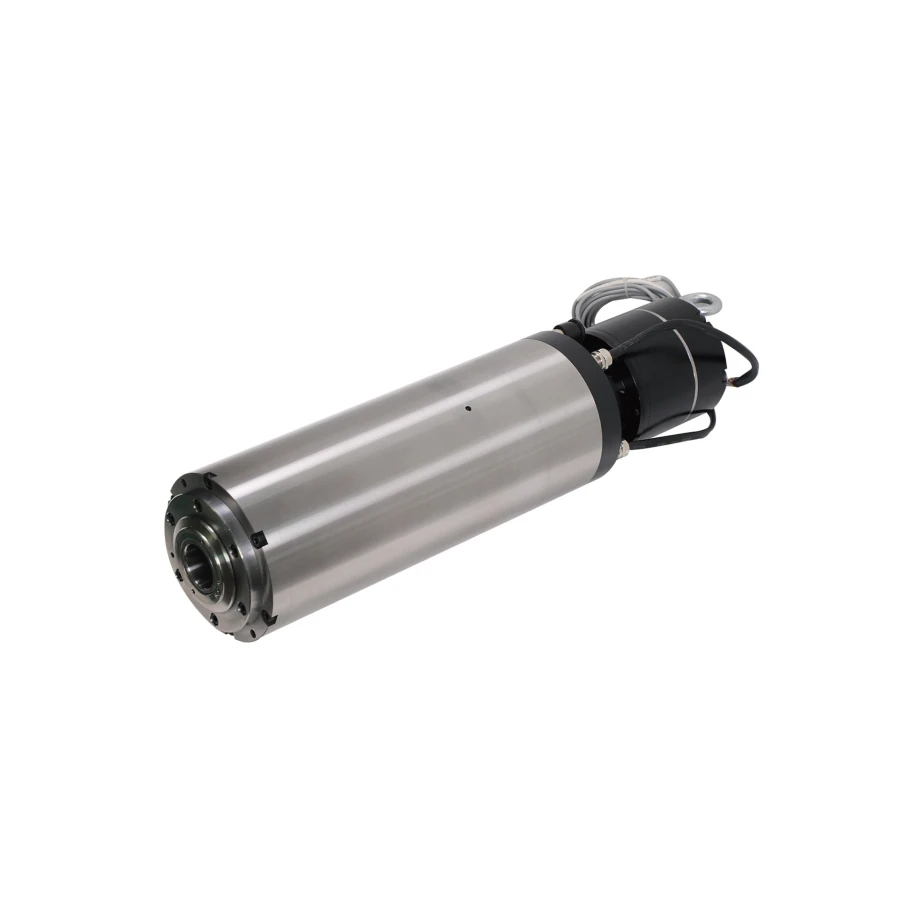
For GDL ATC models, state the exact taper and the holder and retention arrangement you intend to use. Include rack and rear-cylinder clearance, release services and sensing requirements. A quotation for a spindle assembly should distinguish that assembly from the complete tool-change installation. Ask which holders, retention components, cables or other items are included, rather than inferring their presence from the ATC label.
Dimensions should keep their original reference points. A housing length, assembly length or nose projection answers a different fit question. When comparing long-nose and short-nose GDL70 configurations, the overall-length difference alone is insufficient to calculate a tool-tip shift. Provide the machine's mounting reference and holder position so the proposed assembly can be checked against the installation envelope.
Price the configuration that supports the intended work
A headline kW rating does not define the complete operating requirement. State the required spindle speed, recurring operation and loaded/no-load cycle. Where the drawing distinguishes S1 and S6 values, retain the duty labels, applicable cycle, ambient condition and cooling requirements with the corresponding power figures. A higher conditional output must not replace the continuous-duty figure in the purchase specification. Check power and torque at the intended working speed using the applicable curve, and record any duty or installation condition that needs confirmation before the proposed configuration is priced and accepted.
Maximum speed and rated speed can also differ. GDL40.5-ISO20-24Z/2.2 lists 18,000 rpm as the rated point and 24,000 rpm as maximum speed. Quote the exact model and describe the required working speed without converting the maximum into a new rating. The motor, VFD and tooling should support the same intended operating conditions before a commercial comparison is useful.
Do not use a larger power model as an automatic upgrade. The mount, moving mass, machine travel, tools, drive output and cooling arrangement may require changes. List the equipment you plan to retain and the changes you would accept. CINKR can review candidates against those constraints, while the quotation can separate the proposed spindle from any additional equipment requested for the installation.
Separate the spindle from the accessories and services
Define the package in plain terms. If you need only a spindle, say which existing drive, cooling equipment and tooling will be retained. If you need additional items, list them individually for confirmation. Suitable questions include whether a collet and nut, holder, cable or connector, VFD, cooling equipment or ATC service component is part of the proposed supply. Their inclusion must be stated in the quotation.
Cooling creates another scope boundary. Air-cooled configurations still need a workable airflow arrangement and any documented auxiliary connections. Water-cooled configurations need a suitable circuit and compatible fittings and hose clearances. A spindle photograph or download does not establish that a complete cooling package is included. Describe existing services and identify the additional equipment you want quoted.
Technical files belong in the scope review as well. Request the applicable outline, selected-winding information and connection record for the proposed assembly. A file attached to a shared code may cover a different mounting variant. The two GDF46-18Z/2.2 Base Mount PDFs do not by themselves confirm Housing Mount applicability. Keep a written list of missing documents and confirm their status with the proposal.
Give quantity and destination without assuming commercial terms
Provide the quantity by configuration, rather than one total for a mixed request. If two windings or mounting variants are being considered, list them on separate lines and state whether they are alternatives or separate purchases. This makes it possible to connect each proposed item with its own technical description, requested accessories and commercial terms. Avoid a blended request that leaves the intended assembly unclear.
Include the destination country and postal code, together with any requested delivery arrangement or required date. Ask CINKR to confirm availability and the proposed dispatch or delivery timing for the exact configuration, quantity and supply scope. Retain that confirmation with the quotation and identify any timing that remains provisional. For an older model, provide the nameplate and applicable drawings so both the required configuration and its current availability can be checked. An earlier delivery date or historical model record does not establish a commitment for a new order.
Ask the quotation to state its currency, validity, delivery arrangement, included costs and payment terms. Where taxes, import charges or other destination costs may apply, clarify which party is responsible under the proposed terms. Do not assume a catalog inquiry includes every destination expense. Keep the confirmed terms with the item description so later revisions can be compared on the same basis.
Compare quotations with the same technical and supply scope
Before comparing totals, align the exact model and variant, winding, duty and speed basis, technical documents, included accessories, quantity and delivery terms. A lower total may describe a narrower package or another configuration. Resolve those differences first, then assess the comparable proposals. Price is useful only when you know what is being supplied and which installation requirements remain your responsibility.
For a replacement, add an installation-difference record. Compare body and fixing dimensions, tool interface, nose position, connection functions, drive and cooling requirements. List confirmed matches, differences and unresolved items separately. If a change needs a new fixture, tooling or service connection, account for that work in your decision. A motor quotation alone does not settle the complete machine conversion scope.
Keep the selected proposal, nameplate evidence and technical files together. If the proposed code or winding changes during the discussion, ask for the revised item description and check the related documents again. Do not carry assumptions from an earlier candidate into a later quotation. Clear version records make the final order easier to verify when the supplied assembly and its documentation arrive.
Prepare one request that can be reviewed line by line
Start the request with the exact candidate and configuration, then identify the selected winding and tooling. Add the machine, job and working point, followed by mount dimensions and available drive, cooling and ATC services. Specify retained equipment and requested additional items. Finish with quantity, destination, document questions and any required date for confirmation. Leave unknown technical fields blank and describe what evidence is available.
Prepare a separate item record for every candidate or configuration. Identify the full model, mounting or nose variant, tooling interface, selected winding and cooling arrangement, then add the required quantity. If several models are alternatives, state that relationship explicitly; if they are separate purchases, keep each supply scope distinct. Check the completed request against the nameplate, drawings and machine requirements before submitting it. Mark unknown technical values as unresolved and identify the evidence available, so no winding, accessory requirement or mounting condition is silently transferred from one candidate to another.
Include readable nameplate, mounting, nose and connection photographs, together with the applicable drawings and drive information. If the fixing or winding is uncertain, provide enough of the assembly and its markings to establish the context rather than only a cropped model code. Identify the exact technical questions that remain open and the additional accessories or documents required. CINKR can then review the configuration and confirm the proposed supply, quotation and availability by email, with technical clarifications kept distinct from commercial terms and unresolved machine-installation requirements.
Confirm the proposed item before placing the order
Read the final item description against your request. Check the complete code, physical configuration, winding and current, tooling, operating basis and included accessories. Verify that the technical files refer to the proposed assembly and identify remaining installation responsibilities. If a conflict remains unresolved, ask for the supplied-unit evidence or a written clarification before using that value in a drive or fixture decision.
Agree how the supplied unit will be identified and checked on arrival. Retain the quotation, nameplate record and applicable drawings, then compare the received assembly with those records. Installation and commissioning should follow the machine, drive and spindle documentation. Receipt of a correctly described spindle is one acceptance step; proving the full machine installation requires its own mechanical, electrical and operating checks.
For repeated purchases, keep the confirmed configuration and file references with the order history. A previous quote can be useful context, but it does not confirm current availability or terms. Refer to the earlier configuration while asking CINKR to confirm the present proposal. This maintains a precise purchase record without treating an old price, date or shared model name as a current commitment.